

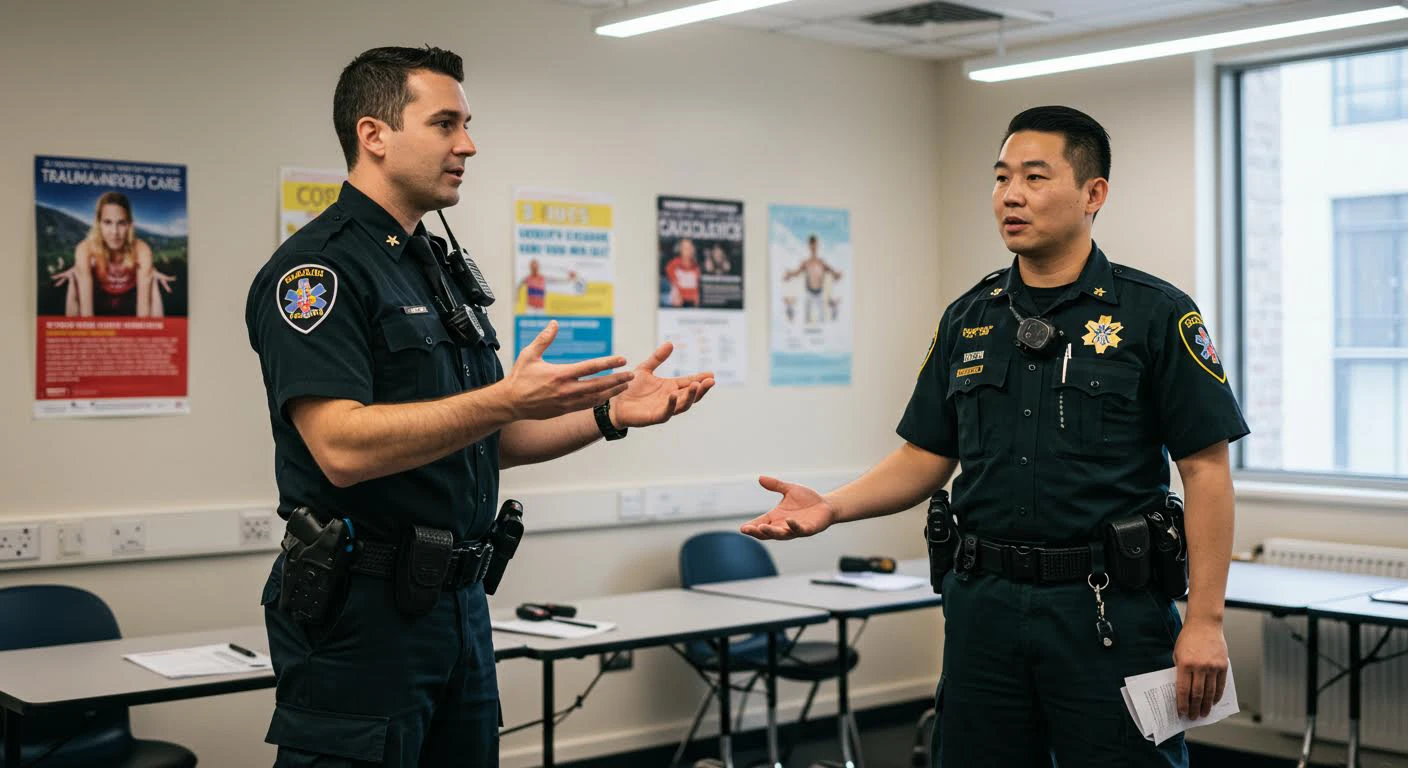
In high-pressure situations, police officers and first responders are often the first to arrive at the scene of a crisis. Their ability to assess, manage, and de-escalate these situations is paramount to ensuring public safety and wellbeing. Mahtab Moradi offers specialized trauma-informed crisis response training, designed to equip these professionals with the tools and knowledge they need to handle such events effectively and empathetically.
Understanding Trauma-Informed Care
Trauma-informed care is a framework that involves understanding, recognizing, and responding to the effects of all types of trauma. It emphasizes physical, psychological, and emotional safety for both providers and survivors, helping to rebuild a sense of control and empowerment.
Key Principles of Trauma-Informed Care
Mahtab Moradi’s approach to trauma-informed care is built on several key principles:
- Safety: Ensuring the physical and emotional safety of individuals involved in a crisis.
- Trustworthiness and Transparency: Building trust with individuals by maintaining transparency in actions and intentions.
- Peer Support: Utilizing the power of peer support to foster a sense of belonging and understanding.
- Collaboration and Mutuality: Emphasizing partnership and leveling power differences between staff and clients.
- Empowerment, Voice, and Choice: Recognizing and building on existing strengths and offering choices to foster resilience and recovery.
Importance for Police and First Responders
Police officers and first responders face unique challenges that require a nuanced understanding of trauma. Their roles often place them in situations where they encounter individuals experiencing acute stress, mental health crises, or trauma-induced behavior. A trauma-informed approach helps these professionals respond with greater sensitivity and effectiveness.
By incorporating trauma-informed practices, first responders can:
- Recognize Trauma Symptoms: Identify signs of trauma in individuals, which can alter their response strategies to de-escalate situations more effectively.
- Reduce Retraumatization: Implement strategies that avoid triggering past trauma, reducing the likelihood of escalation.
- Enhance Communication: Improve communication with individuals in crisis, fostering trust and cooperation.
- Promote Self-Care: Encourage personal wellbeing among responders, reducing the risk of burnout and compassion fatigue.
Training Program Overview
Mahtab Moradi’s training program is comprehensive, combining theoretical knowledge with practical skills. It is designed to meet the needs of police officers and first responders, ensuring they are prepared to manage crises with a trauma-informed lens.
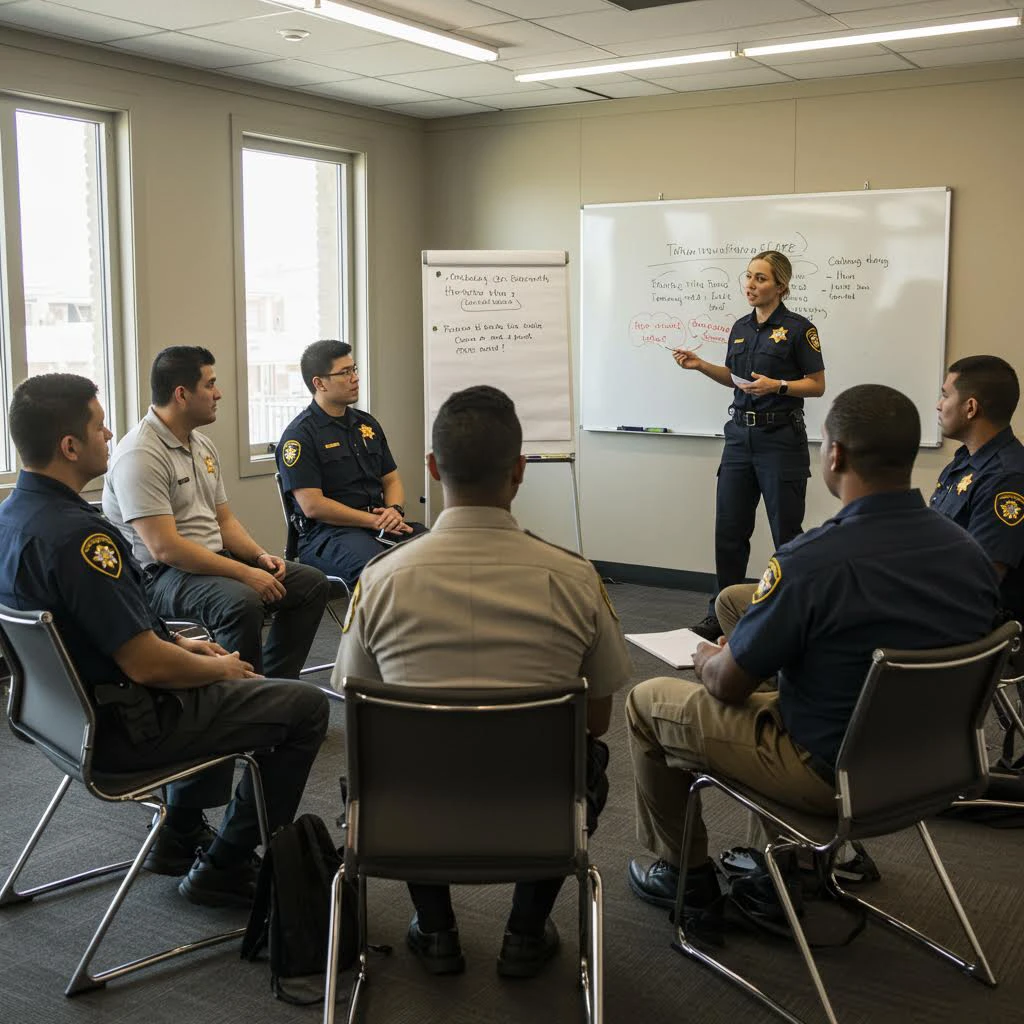

Core Components of Training
The training includes several core components:
- Theoretical Foundations: Participants gain an understanding of trauma, its effects, and the principles of trauma-informed care.
- Practical Strategies: Interactive sessions where participants practice de-escalation techniques, communication strategies, and crisis intervention.
- Role-Playing Scenarios: Real-life scenarios to practice applying trauma-informed principles in a controlled environment.
- Self-Assessment Tools: Tools to help responders assess their own wellbeing and identify areas for self-care improvement.
Benefits of Trauma-Informed Training
Implementing trauma-informed practices offers numerous benefits for police and first responders:
Improved Outcomes: By understanding trauma, responders can improve the outcomes of their interventions, resulting in safer and more positive interactions.
Enhanced Public Trust: Trauma-informed care can enhance the public’s trust in law enforcement and emergency services by demonstrating empathy and understanding.
Professional Development: Training provides ongoing professional development opportunities, equipping responders with up-to-date knowledge and skills in crisis management.
Resilience Building: The training helps build resilience among responders, enabling them to handle stress and trauma in their professional and personal lives more effectively.
Conclusion
Mahtab Moradi’s trauma-informed crisis response training is an invaluable resource for police officers and first responders. By prioritizing trauma-informed care, these professionals can enhance their ability to manage crises effectively, promote public safety, and improve their own wellbeing. This training not only equips them with the necessary skills but also fosters a culture of empathy, resilience, and ongoing learning within emergency services.
For more information on how to incorporate trauma-informed practices into your team’s training regimen, consider contacting experts like Mahtab Moradi who specialize in this crucial area of professional development.