

Introduction to Suicide Prevention Workshops
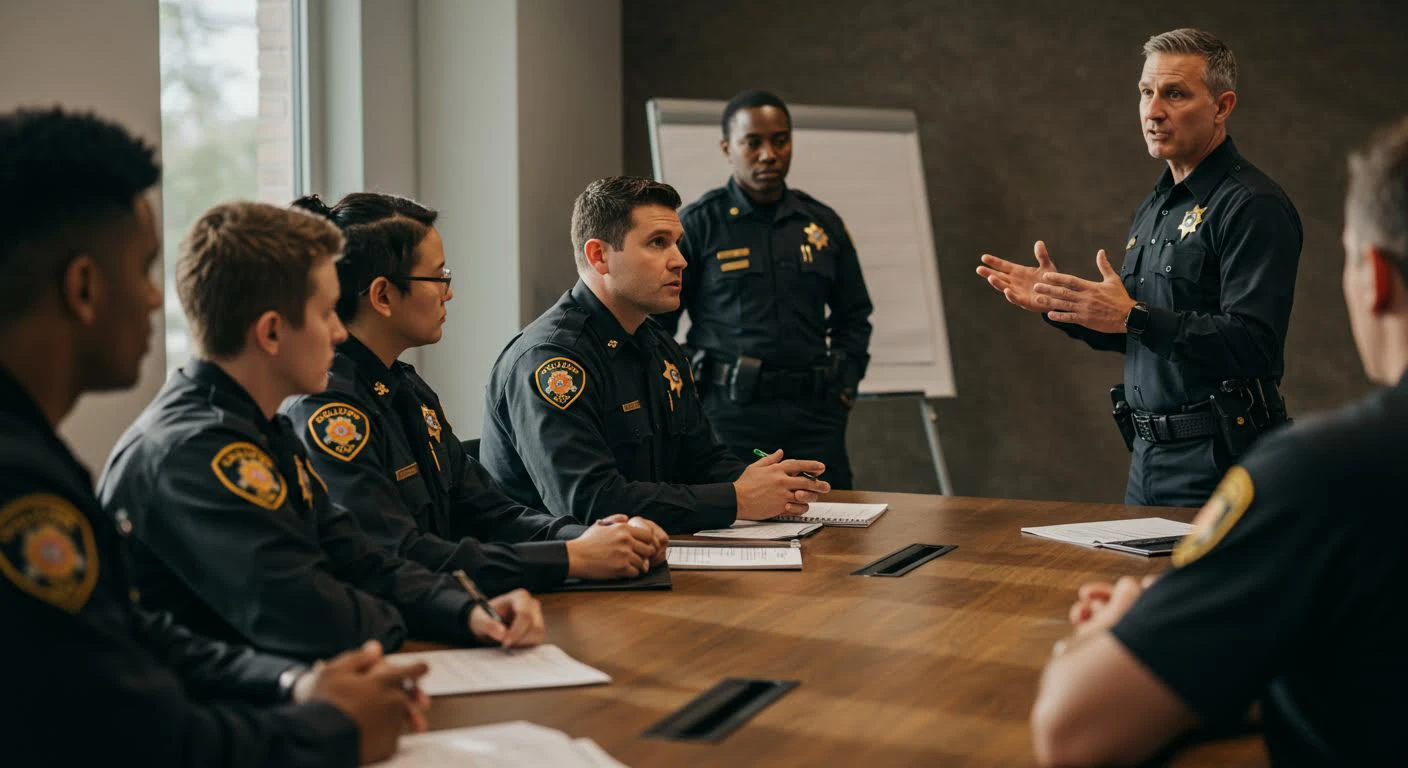
Suicide prevention is a critical area of focus for first responders, including police officers, firefighters, and emergency medical personnel. These professionals often encounter highly stressful and trauma-inducing situations, making them particularly susceptible to mental health challenges. Recognizing this, Mahtab Moradi has developed specialized workshops aimed at equipping these vital workers with the tools and knowledge necessary to identify and prevent suicide both among the public and within their ranks.
The Importance of Suicide Prevention Training
First responders are often the first point of contact for individuals in crisis. Their ability to respond effectively can mean the difference between life and death. However, without proper training, these professionals may struggle to identify warning signs or may feel unprepared to handle such delicate situations. Suicide prevention workshops provide comprehensive training that empowers first responders to act decisively and compassionately in these critical moments.
Understanding the Risk Factors
One of the key components of Mahtab Moradi’s workshops is understanding the various risk factors associated with suicide. These include mental health disorders, substance abuse, major physical illnesses, and significant life changes. By recognizing these signs, first responders can better assess situations and provide appropriate interventions.
Developing Communication Skills
Effective communication is vital in suicide prevention. The workshops emphasize the importance of active listening and empathetic dialogue. Participants learn how to establish rapport with individuals in crisis, making it easier to de-escalate potentially volatile situations and guide individuals towards seeking help.
Workshop Structure and Content
Mahtab Moradi’s workshops are structured to provide both theoretical knowledge and practical skills. They typically include lectures, interactive sessions, and role-playing exercises. This multifaceted approach ensures that participants can apply what they have learned in real-world scenarios.
Interactive Exercises
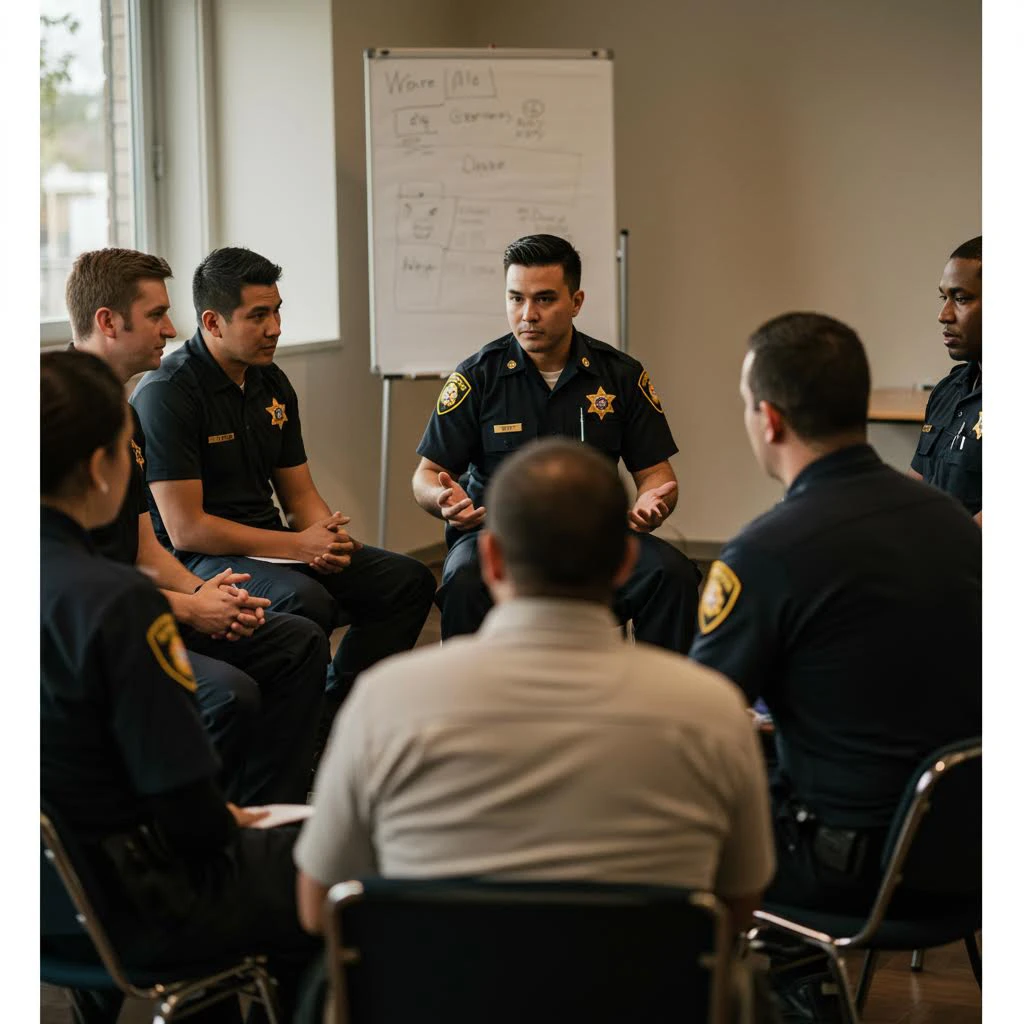
Role-playing exercises are a crucial aspect of the training. These exercises simulate real-life situations, allowing first responders to practice their responses in a controlled environment. By engaging in these scenarios, participants can refine their skills and build confidence in their ability to handle crises effectively.
Case Studies and Real-Life Examples
The workshops also incorporate case studies and real-life examples to illustrate the complexities of suicide prevention. These examples provide valuable insights into the nuances of different situations, helping participants to understand the diverse factors that can influence someone’s decision to consider suicide.

Benefits of Attending the Workshops
Participants in Mahtab Moradi’s workshops gain numerous benefits. They develop a deeper understanding of mental health issues, improve their crisis intervention techniques, and become more adept at recognizing and responding to potential suicide risks. Additionally, the skills acquired in these workshops contribute to better personal resilience and mental health, reducing the risk of burnout among first responders.
Building a Supportive Work Environment
The workshops also emphasize the importance of creating a supportive work environment. This includes fostering open communication, providing access to mental health resources, and encouraging peer support. By promoting a culture of care, organizations can ensure that their employees feel supported and valued, which is critical in high-stress professions.
Conclusion
Mahtab Moradi’s suicide prevention workshops for first responders are an essential resource in the fight against suicide. By equipping these professionals with the necessary skills and knowledge, the workshops not only help to save lives but also enhance the well-being of those who dedicate their lives to protecting others. As the challenges faced by first responders continue to evolve, ongoing training and support remain vital components in maintaining their mental health and effectiveness on the job.