


Understanding Growth Mindset
The concept of a growth mindset was popularized by psychologist Carol Dweck. It refers to the belief that abilities and intelligence can be developed through dedication and hard work. This stands in contrast to a fixed mindset, where individuals believe their abilities are static and unchangeable. In educational settings, fostering a growth mindset among students can lead to greater motivation, resilience, and a willingness to embrace challenges.
Growth Mindset in Education
In universities and schools, the implementation of growth mindset principles can transform how students perceive their learning journeys. By encouraging students to view failures as learning opportunities rather than setbacks, educators can foster a more resilient and adaptable student body. This approach not only improves academic performance but also prepares students for real-world challenges.
The Role of Performance Coaching
Performance coaching is a personalized approach to helping individuals reach their full potential. In the educational context, it involves guiding students to set realistic goals, develop effective study habits, and cultivate a positive attitude towards learning. Coaches act as mentors, providing students with the tools and strategies needed to overcome obstacles and achieve their academic objectives.
Mahtab Moradi’s Approach
Mahtab Moradi is renowned for her innovative techniques in growth mindset and performance coaching. Her approach integrates psychological principles with practical strategies to empower students in universities and schools. By focusing on individual strengths and areas for improvement, Mahtab helps students build confidence and achieve sustainable success.
Implementing Strategies in Schools
For schools looking to integrate growth mindset and performance coaching, it is crucial to start with teacher training. Educators must first understand these concepts to effectively impart them to their students. Workshops and seminars led by experts like Mahtab Moradi can provide valuable insights and practical tools for educators.

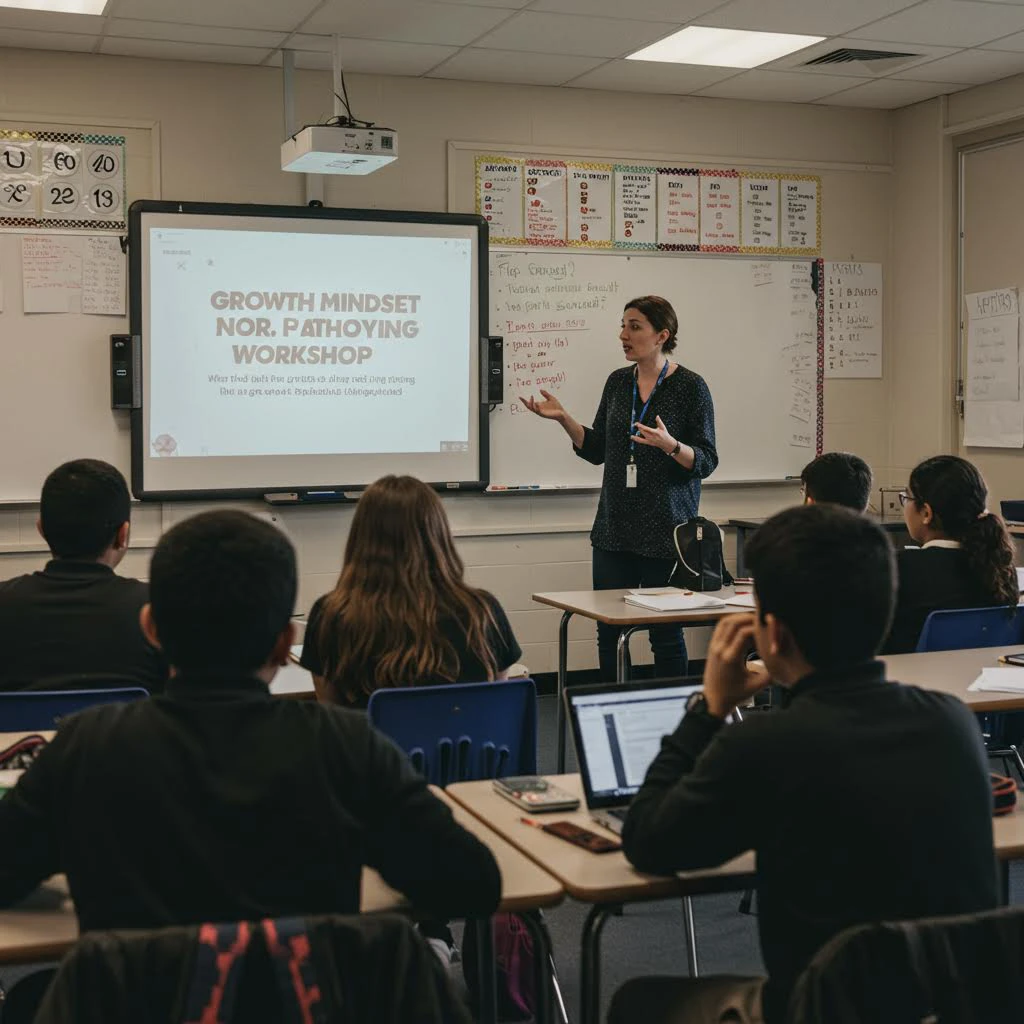
Once teachers are equipped, they can incorporate growth mindset principles into their daily lessons. This can involve using language that encourages effort and perseverance, providing constructive feedback, and celebrating progress rather than just results. Over time, these practices can cultivate a classroom culture that values learning and improvement over innate ability.
University-Level Coaching
At the university level, students face unique challenges, such as increased academic pressure and the need for self-discipline. Performance coaching can play a vital role in helping students navigate these demands. Coaches work with students to develop personalized action plans that include time management, goal setting, and stress management techniques. This tailored support helps students manage their responsibilities more effectively and enhances their academic and personal growth.
Success Stories and Outcomes
Numerous students have benefited from the growth mindset and performance coaching methodologies advocated by Mahtab Moradi. Testimonials from students and educators alike highlight improved grades, increased engagement, and a more positive outlook on education. These success stories underscore the transformative power of adopting a growth mindset in educational settings.
Moreover, research supports the efficacy of these approaches. Studies indicate that students who embrace a growth mindset are more likely to persist in challenging courses, show higher academic achievement, and possess a greater sense of well-being. These outcomes demonstrate the long-term benefits of integrating growth mindset and performance coaching into educational systems.
Conclusion
In conclusion, the adoption of growth mindset and performance coaching in universities and schools represents a significant step forward in educational innovation. By empowering students to believe in their capacity for growth and equipping them with the skills needed to succeed, educators can foster a more dynamic and resilient learning environment. Mahtab Moradi’s contributions to this field highlight the potential of these approaches to revolutionize education and inspire the next generation of learners.