

Building and maintaining healthy relationships requires more than just talking—it hinges on truly hearing and understanding each other. For couples, mastering the art of active listening can transform communication, deepen connection, and pave the way for lasting intimacy.
What Is Active Listening?
Active listening is a conscious communication skill where one fully focuses, comprehends, responds, and remembers what the other person is saying. Unlike passive listening, which can be distracted or superficial, active listening demands attention and engagement. It’s about being present without interrupting or planning your response while your partner is speaking.
In relationships, active listening means validating your partner’s feelings and thoughts, fostering trust and openness. This is a crucial element emphasized in relationship coaching as it helps break down communication barriers and enhances emotional bonding.
Common Barriers to Listening
Despite its importance, many couples struggle with active listening due to various obstacles:
- Distractions: Phones, TV, or multitasking steal focus from meaningful conversations.
- Prejudice and Assumptions: Entering conversations with preset notions can block true understanding.
- Emotional Reactivity: Getting defensive or interrupting stops the flow of effective communication.
- Lack of Time: Busy schedules lead to rushed or incomplete exchanges.
- Habitual Interruptions: Cutting your partner off can invalidate their feelings and erode connection.
Recognizing these barriers is the first step toward overcoming them—an essential focus in marriage therapy and relationship coaching.

3 Steps to Become a Better Listener
Improving active listening takes intentional practice. Here are three actionable steps couples can take:
1. Give Your Full Attention
Put away distractions and focus solely on your partner. Maintain eye contact and use open body language (like nodding) to show engagement. This small shift signals that you value their words.
2. Reflect and Clarify
Repeat or paraphrase what your partner says to ensure understanding. Ask clarifying questions like, ‘When you say that, do you mean…?’ This demonstrates empathy and encourages openness.
3. Respond Thoughtfully
Instead of immediately offering solutions or judgments, acknowledge emotions first. Statements like, ‘I can see this is really important to you,’ build emotional safety and invite deeper sharing.
Couples who cultivate these skills experience more fulfilling communication and fewer misunderstandings—a key goal in marriage therapy and couples counseling experts recommend.
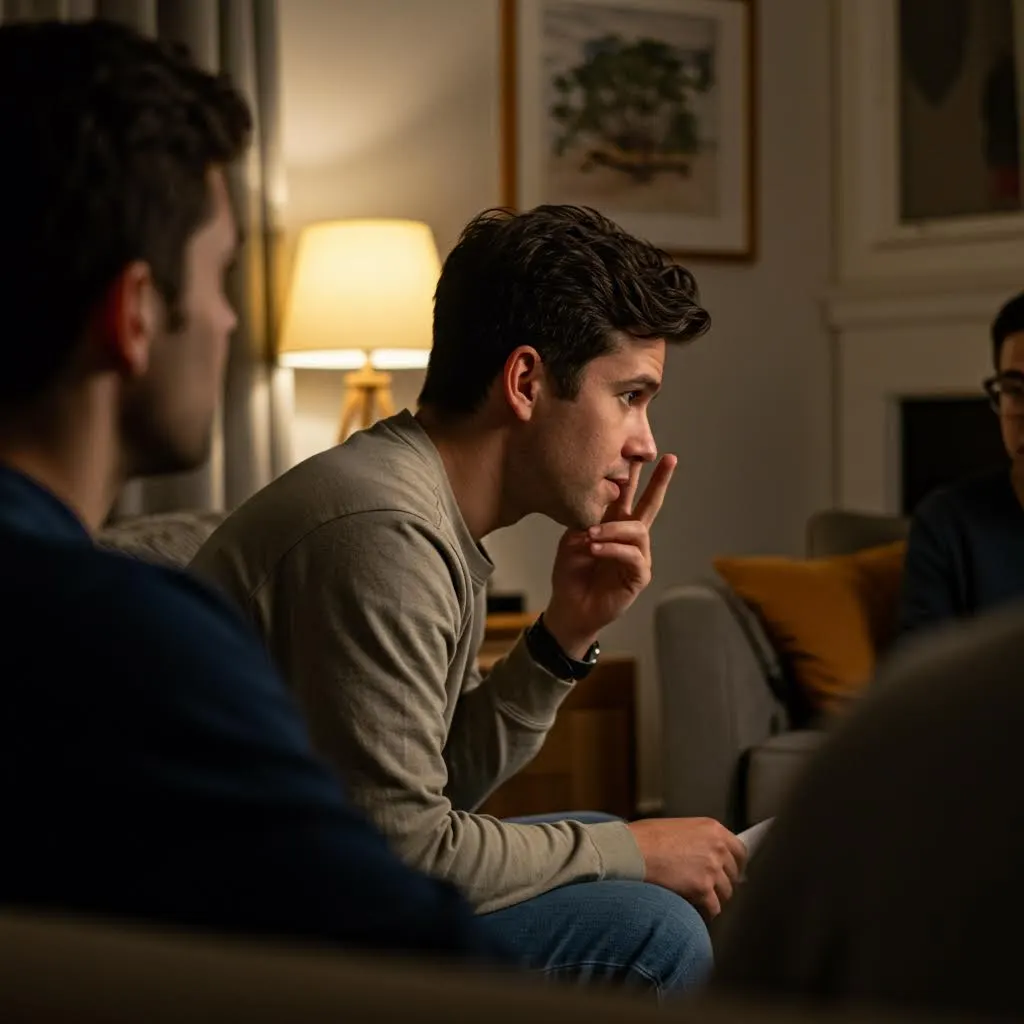
The Transformative Power of Listening
Active listening is more than a technique—it’s an art that strengthens bonds and nurtures intimacy. When partners feel heard, they feel valued, leading to greater trust and connection.
For couples seeking deeper understanding, practicing active listening can turn relationship advice into meaningful change. By committing to this skill, partners pave the way for healthier, happier, and more resilient relationships.
Are you and your partner practicing active listening? If communication struggles persist, seeking guidance from a professional in couples counseling can provide tailored strategies for lasting improvement.